
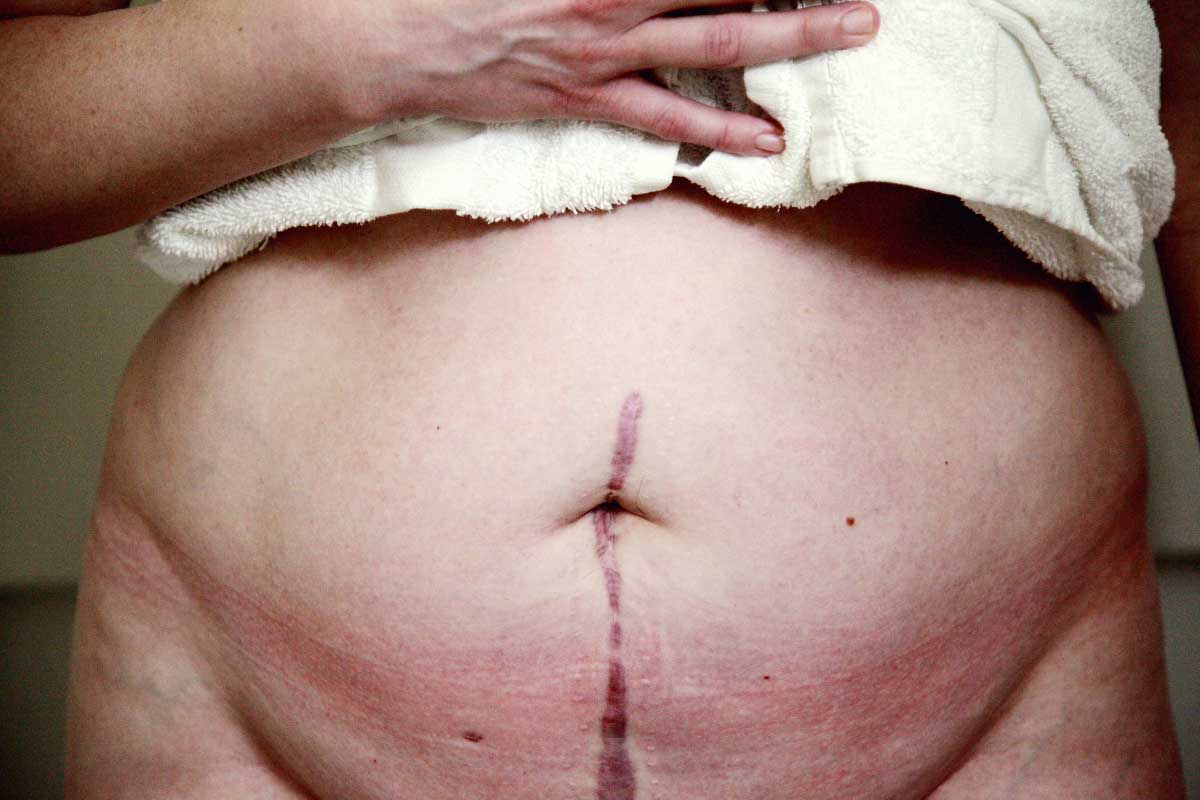
One of the most common concerns among patients having plastic surgery is how their scars will look.
It is true that all plastic surgery involves permanent scars, but over time they become finer and more discreet. It is important to know that the final appearance of a scar depends above all on the care taken before and after surgery and on each patient’s inherited tendency to scar. Every case is different and must be treated individually.
In this article we share some recommendations to follow before surgery and during the healing process, to help you achieve a more discreet, healthier scar.
Before surgery
Good healing starts with the care you take before surgery. We recommend that, a few weeks beforehand, you apply moisturiser to the area to be operated on (breast, abdomen, thighs, etc.) two to three times a day. Proper hydration prepares the skin for surgery and reduces the risk of stretch marks.
After surgery
Once the wound has closed, you should apply moisturising creams containing rosehip oil, to improve the radiance and quality of the skin, and regenerating creams with active ingredients that support the hydration and regeneration of the skin.
After surgery (medium and long term)
If you follow all the medical recommendations, you should have a good outcome and be satisfied with the appearance of your scar. In exceptional cases (lack of care, genetic characteristics, etc.) additional treatments may be needed to improve the appearance of the scar. These cases must be assessed by Dr Marco Romeo, who will advise you on the most suitable treatment for your particular case.
Other ways to look after your scars
Below is a list of things to do before and after surgery to promote healthy healing:
- Do not smoke.
- Eat a healthy diet.
- Stay hydrated.
- Avoid direct sun exposure.
- Avoid strenuous activity for as long as your surgeon advises, which depends on the operation.
- Avoid very hot showers in the first few days.
- Keep the wound dry until it has closed.
- Keep the scar clean and disinfected and apply creams as directed by your doctor.
When will I see the final result of my scar?
Scars can differ depending on the type of surgery, the care you take and each patient’s individual characteristics: health, age, ethnicity and genetics. In the first two to three months the scar is usually pink; after that it generally turns purple and, finally, white at 8 to 12 months.
Book an appointment for your assessment
If you are considering plastic surgery and are concerned about scarring, book an appointment with Dr Marco Romeo for an assessment: call +34 722 77 10 78 or fill in our contact form. What follow-up after surgery is like is explained in Recovery and Follow-Up.